


 fake images
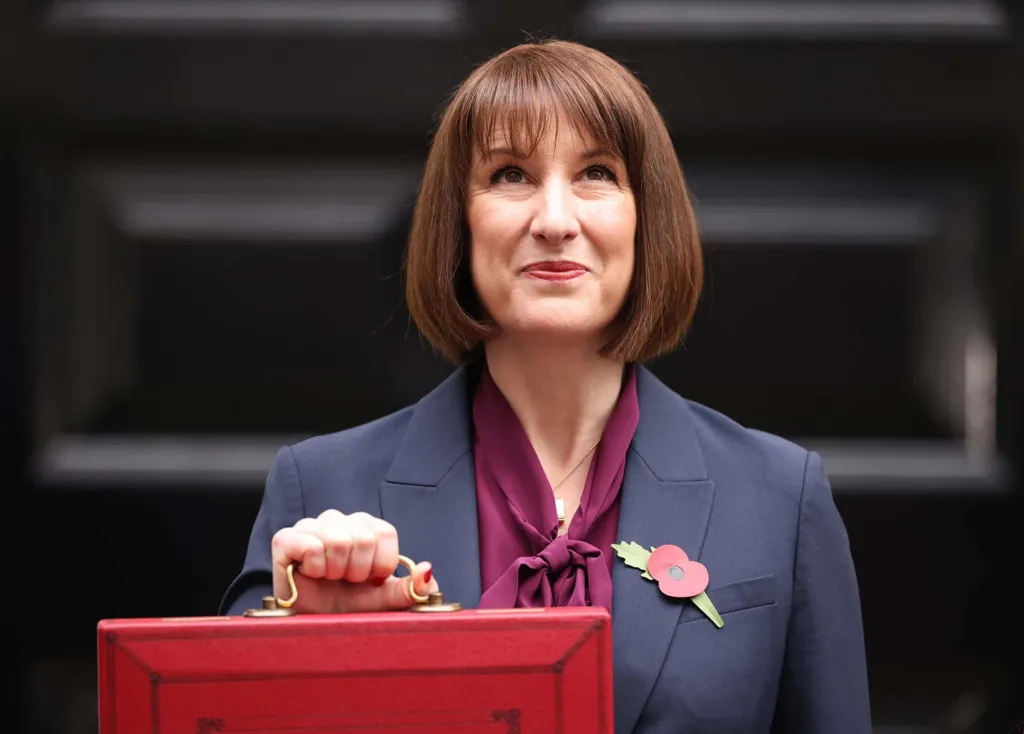
Chancellor Rachel Reeves is expected to increase taxes in the budget later.
Ahead of presenting his budget statement, Reeves said he will make “fair and necessary decisions” for the economy, to reduce NHS waiting lists, the national debt and the cost of living.
The chancellor said she will press ahead with “the biggest growth drive in a generation”, which will include extensive investment across many sectors, to build a “fairer, stronger and safer Britain”.
The statement will be made in the House of Commons at around 12:30 GMT. The leader of the opposition, Conservative MP Kemi Badenoch, will give an immediate response.
What has already been announced?


The minimum wage for over-21s will rise by 50p an hour to £12.71 in April 2026, Reeves announced on Tuesday, ahead of the budget.
For workers aged 18 to 20, the minimum wage will rise to £10.85, an increase of 85p. The government wants to eventually eliminate the separate rate for this age group, creating a single minimum wage for all adults.
For 16- and 17-year-olds and apprentices, the minimum wage will rise to £8 an hour, up from £7.55.
After the minimum wage increased last year, companies warned that another increase could result in hiring freezes or job cuts.

The so-called milkshake tax was announced before the budget.
The existing sugar tax, which applies mainly to carbonated drinks, will apply to bottles and cartons of milk-based drinks, including milkshakes, flavored milks, milk substitute drinks and lattes.
That might add a few pennies to these drinks. Or, as has happened with some soft drinks, manufacturers can reduce their sugar content to avoid the tax.
What other tax increases could there be in the Budget?

According to government sources, Reeves has decided not to increase income tax rates, a move that was widely expected.
However, speculation remains that the chancellor could extend the freeze on income tax and NI thresholds beyond the expected 2028-29 deadline.
Freezing the thresholds means that as wages increase over time, more people reach an income level where they start paying taxes and IN. Some people have to start paying higher tax rates.


The Chancellor is planning to raise around £2bn by capping a tax break on pension contributions, the Times reported.
He suggested Reeves could put a £2,000 cap on the amount workers can put into their pensions under “wage sacrifice” schemes without paying National Insurance. At the moment there is no limit.
It would mean that any contributions above the limit would be subject to NI payments from both employees and employers.
For people receiving the full rate of the new state pension, the chancellor is expected to confirm an increase of more than £550 a year from April.
This is due to the “triple lock”, which means state pensions rise by 2.5%, based on inflation or average earnings growth, whichever is higher.

Reeves plans to introduce a new tax on high-value homes in England, both the Times and the Telegraph reported. About 2.4 million properties in council tax bands F, G and H will be reassessed, they said.
The tax will apply to properties worth more than £2 million, affecting around 100,000 homes with an average surcharge of £4,500, the Times said.

There have also been suggestions that more landlords should pay NI. Nowadays, if being a landlord is not your main source of income, you may not pay any.
The Resolution Foundation think tank suggested that all landlords should pay NI at a basic rate of 20% with an additional rate of 8% for property income over £50,270 a year.

The chancellor is considering a new tax on electric vehicles (EV). This could help offset the drop in fuel tax as more drivers switch away from petrol and diesel cars.
According to the Telegraph, electric vehicle drivers could be charged 3p per mile, on top of other road taxes, equating to an extra £12 on a trip from London to Edinburgh.
A government spokesperson told the BBC: “Fuel tax covers petrol and diesel, but there is no equivalent for electric vehicles. We want a fairer system for all drivers.”
The budget is also expected to include an additional £1.3bn in funding for the electric vehicle grant scheme, which offers grants of up to £3,750 for eligible models.

The government may reportedly limit the tax break people can get when purchasing a bike through the Cycle to Work scheme.
A cap on how much people can spend on a bike could be introduced through the salary sacrifice scheme, the Financial Times said.
The scheme offers savings of 42% on the cost of a bicycle for higher rate taxpayers and 30% for basic rate taxpayers. In 2019 the previous spending limit of £1,000 was lifted.
 Sturt/Getty Images
The chancellor is reportedly planning to reduce the amount of money that can be saved tax-free in cash in Individual Savings Accounts (ISAS).
Reports have suggested Reeves could reduce the annual allowance from £20,000 to £12,000.
However, reducing the Isa cash limit is unlikely to have the desired effect of promoting investment in stocks and shares, MPs on the Treasury Select Committee have said.

The government is expected to close a tax loophole that British companies say gives an unfair advantage to foreign online retailers like Shein.
At the moment, overseas retailers can send parcels worth less than £135 to the UK without paying import duties, but this would end.
The TUC, the umbrella group for UK unions, has called for higher taxes on banks and online gaming companies.
In September, the chancellor told ITV News that “there is a case for gambling companies to pay more”.
What other measures could there be in the Budget?

Parents can only claim universal credit or tax credits for their first two children. The rule applies to the third child or subsequent children born after April 6, 2017.
The chancellor hinted at changes when she told the BBC it was wrong for children from large families to be “penalised”.
It could eliminate the cap entirely or expand the benefit to all families, regardless of the number of children, but at a lower level.
 Mike Harrington/Getty Images
The BBC understands the government could reduce gas and electricity bills by cutting the current 5% VAT rate applied to energy, or by reducing some regulatory costs that suppliers can pass on to customers.

Why is the chancellor expected to increase taxes?
The chancellor needs more money to meet self-imposed rules for government finances which she says are “non-negotiable”. The two main rules are:
- Do not borrow to finance daily public spending at the end of this parliament
- Ensure that public debt falls as a percentage of national income at the end of this parliament.
The Office for Budget Responsibility (OBR), the government’s official forecaster, has assessed the gap in public finances at around £20 billion, the BBC understands.
How is the UK economy doing?
The government has repeatedly said boosting the economy is a key priority.
A growing economy generally means people spend more, additional jobs are created, more taxes are paid, and workers get better pay increases.
In October, the International Monetary Fund (IMF) forecast that the UK would be the second-fastest growing major economy in 2025. However, it also predicted that the UK will face the highest inflation rate among G7 nations in 2025 and 2026.
This is what you want to see in the Budget


